Instructional Design
Rise 360


MicroLearning Videos
Storyline 360

Learning Management Systems: Transitions and Training


Usability Testing


Visual Support for Learning
Abstract
“Time is the most valuable coin in your life. You and you alone will determine how that coin will be spent. Be careful that you do not let other people spend it for you.”
-Carl Sandberg
Carl Sandberg left school at the age of thirteen to help support his family. He went from working odd jobs as a young man to being awarded three Pulitzers (Academy of American Poets, 2021). Based on the above quote attributed to Sandberg, he must have had skills relating to time management to develop into such a tremendously successful person. Which skills worked for him? Thankfully there is research that has identified the most important skills that facilitate the management of time. Will we be awarded a Pulitzer if we manage our time better? Probably not. Yet, the research also found that developing time management strategies increased satisfaction in life, improved wellbeing, and enhanced self-efficacy. The presentation and infographic that I created combines the findings of a meta-analysis research article, Does time management work? and an article about time management featured in the Harvard Business Review. The presentation and infographic were designed with visual support for learning principles in mind.
Keywords: visual support, learning, infographic, time management, visual design
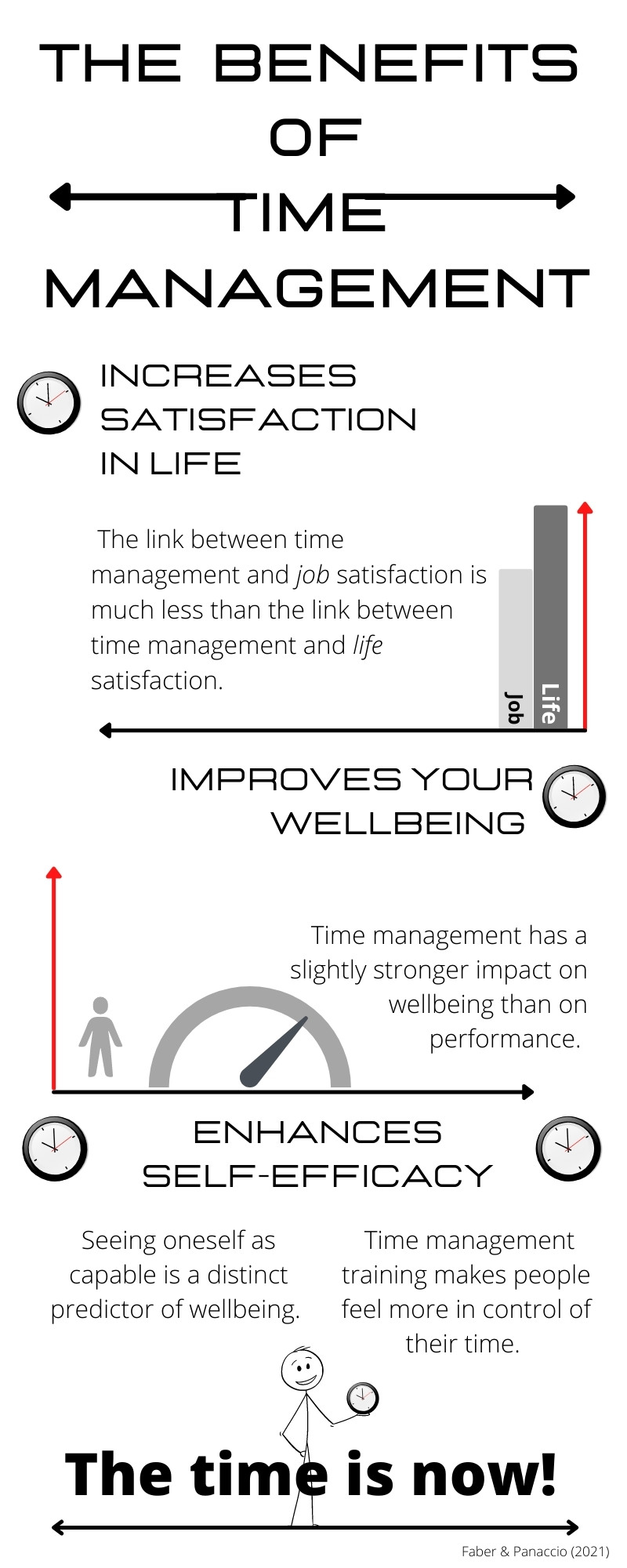

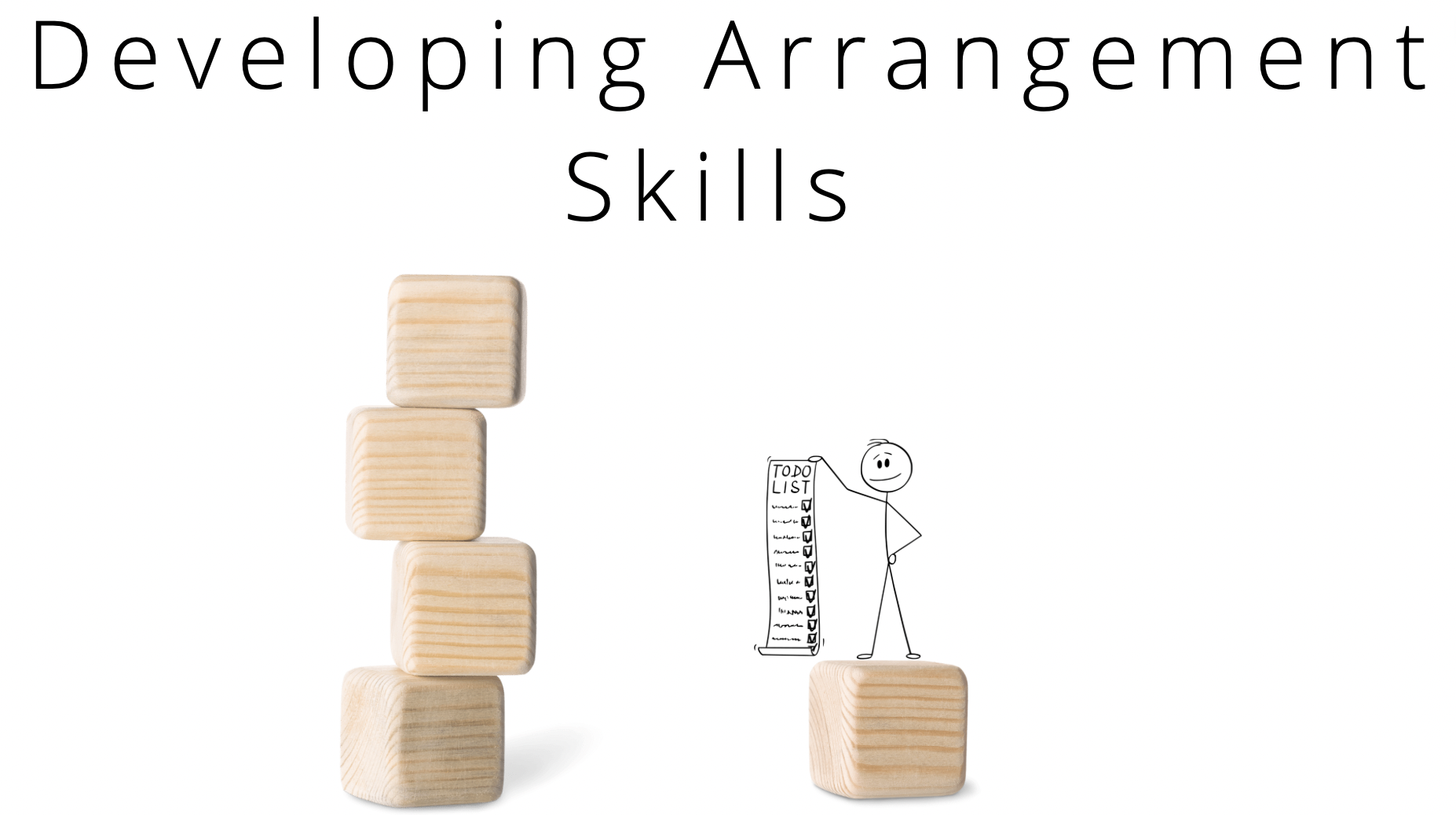
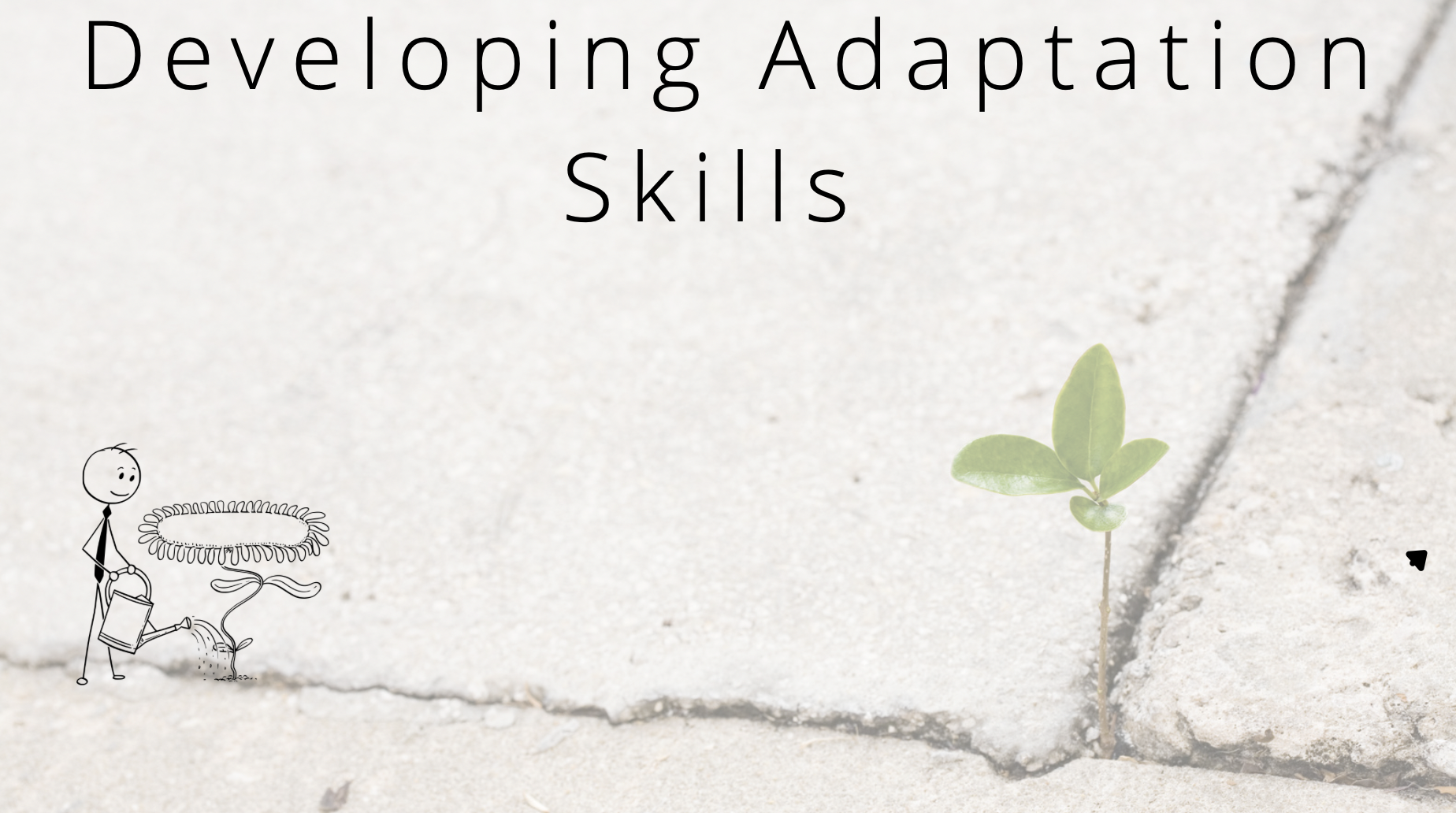
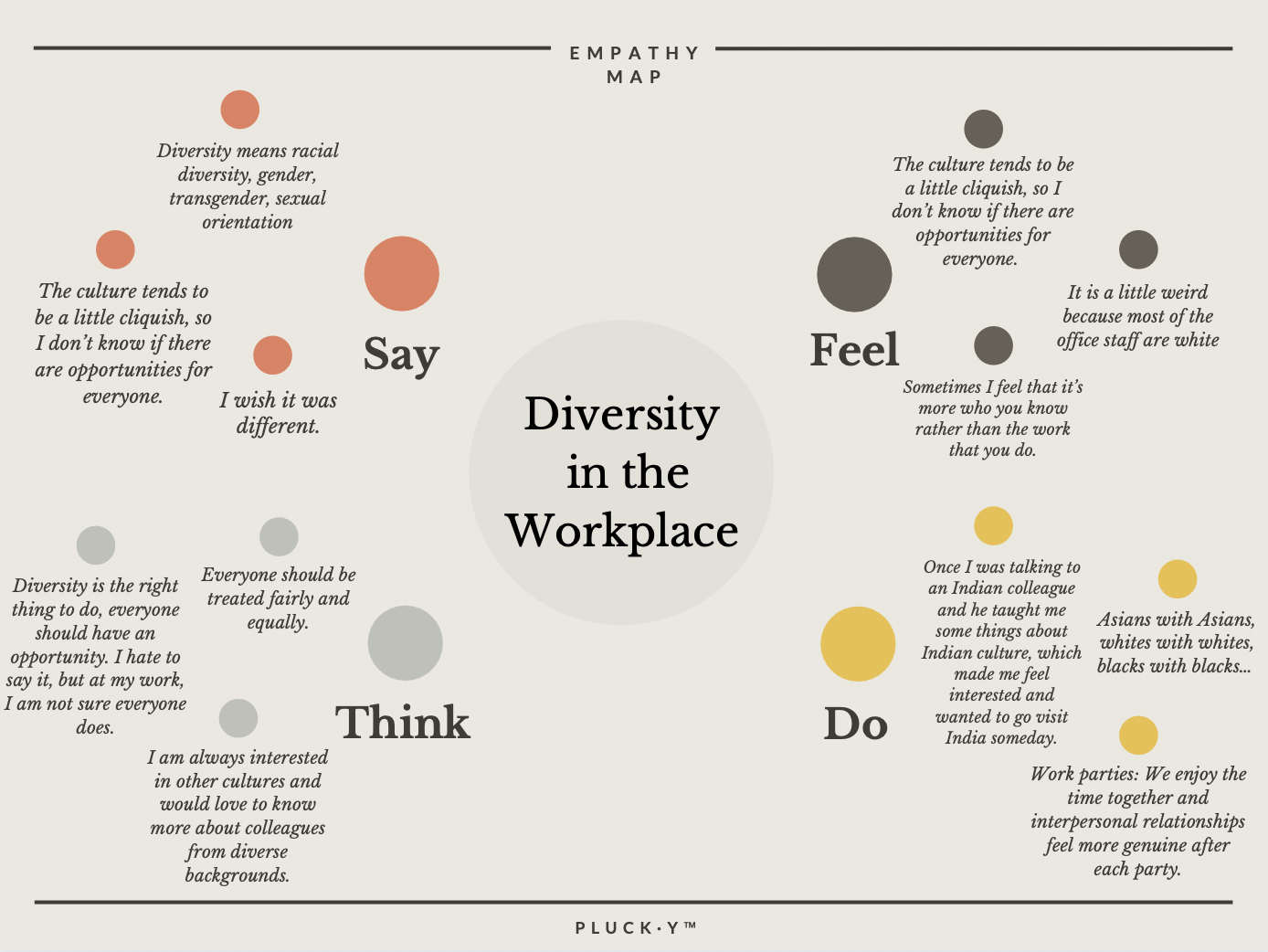
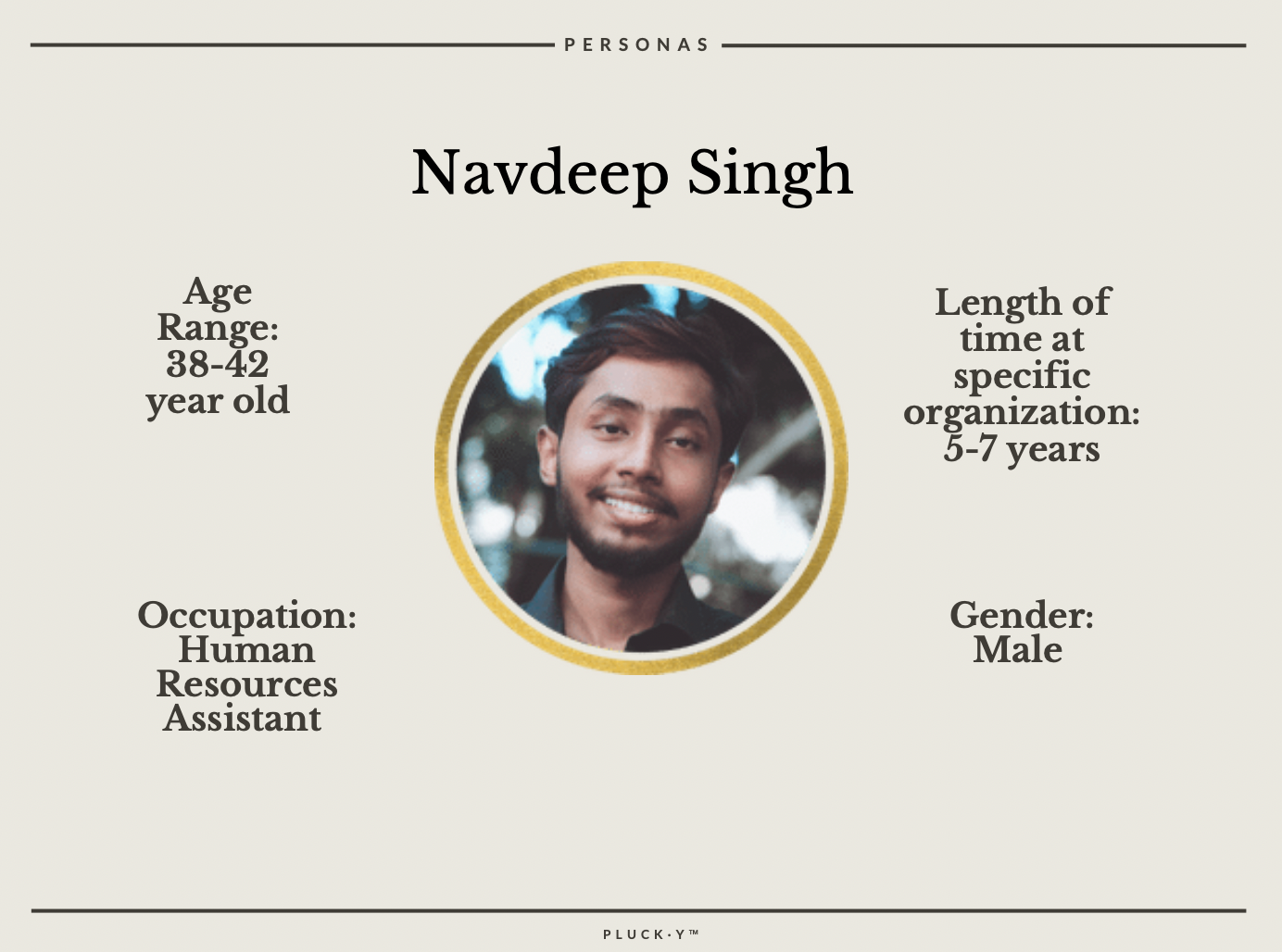
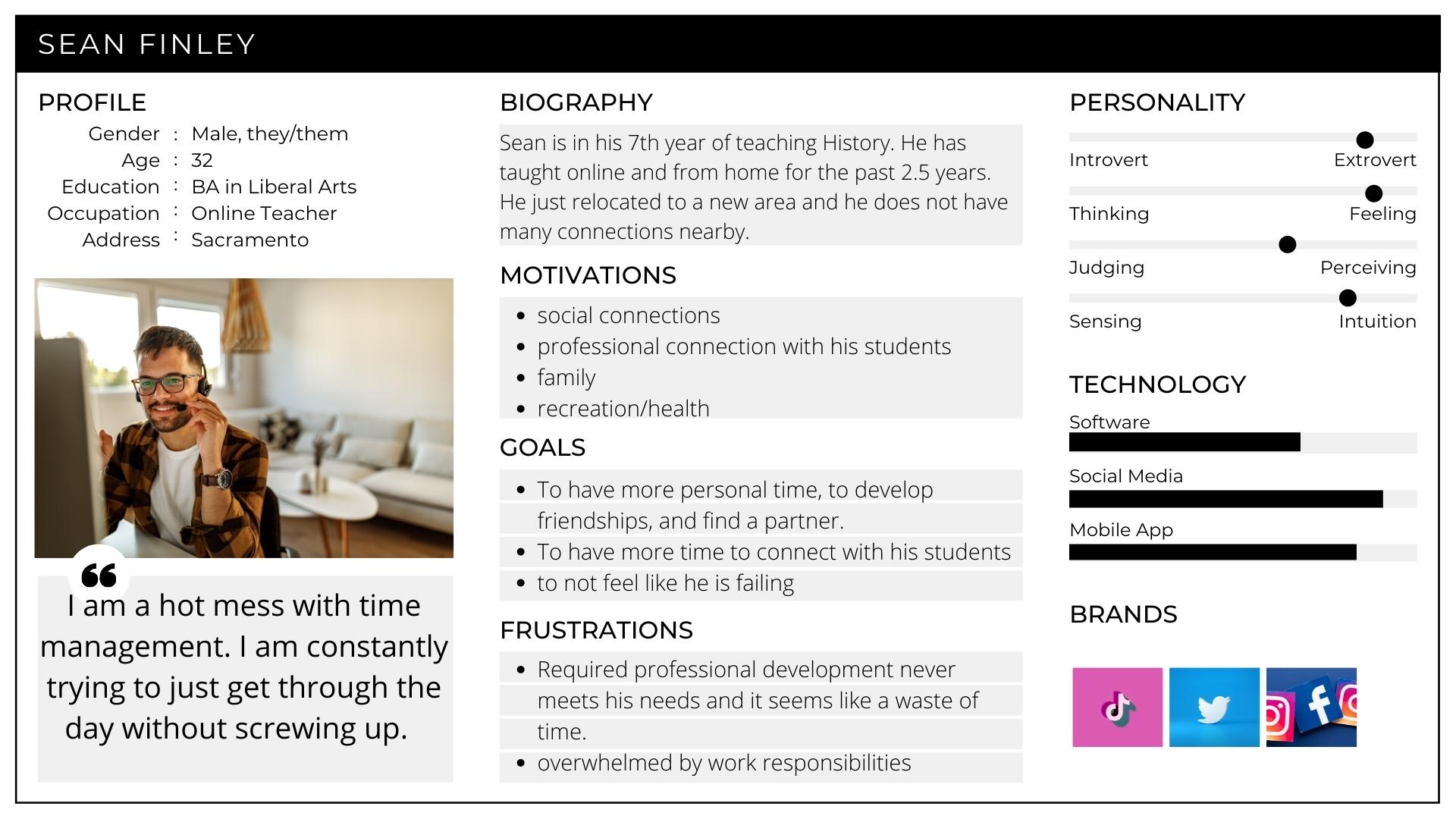
Usually when the topic of time management is discussed by upper management it is assumed that they are wanting to increase productivity and revenue. It tends to mean more work and less time for everyone else. I wanted this presentation to be different from that and for it to explain how research shows that time management improves several aspects of life and wellbeing. The presentation also gives some strategies for developing skills to manage time. (Presentation slide examples below)



Design Thinking



Photoshop
Clark & Lyons caution against over-reliance on eye-candy visuals that generate interest but run the risk of distracting attention and depressing learning. Instructional professionals know intuitively that gaining and sustaining attention during training is a critical prerequisite to learning (Clark & Lyons, 2010). They posit that designers must avoid “edutainment”. I propose that in 2022 our learners are so normalized to entertaining imagery that they expect it across their personal and professional lives. I went against those design recommendations and I designed imagery that I believe could be used as a way to gain the attention of learners. The imagery would be used as an introduction to a training for educators. The intent of the imagery and its message is to remind educators how valuable their time and effort is. The imagery is a call-to-action for the learners in a training and it would be used to support their learning by increasing interest and motivation. Motivation is the fuel that prompts us to select a learning opportunity, invest effort in the learning process, and persist to complete a learning goal (Clark & Lyons, 2010).




 Merry Marcher